pnyx.vc
Traditional VC: six-month decision cycles, closed networks, relationship investing. Pnyx flipped it — anyone could submit a token thesis, five named AI agents judged it on merit, and profitable calls earned their submitters 30 %.
 n8n
n8n Solana
 Supabase
 Next.js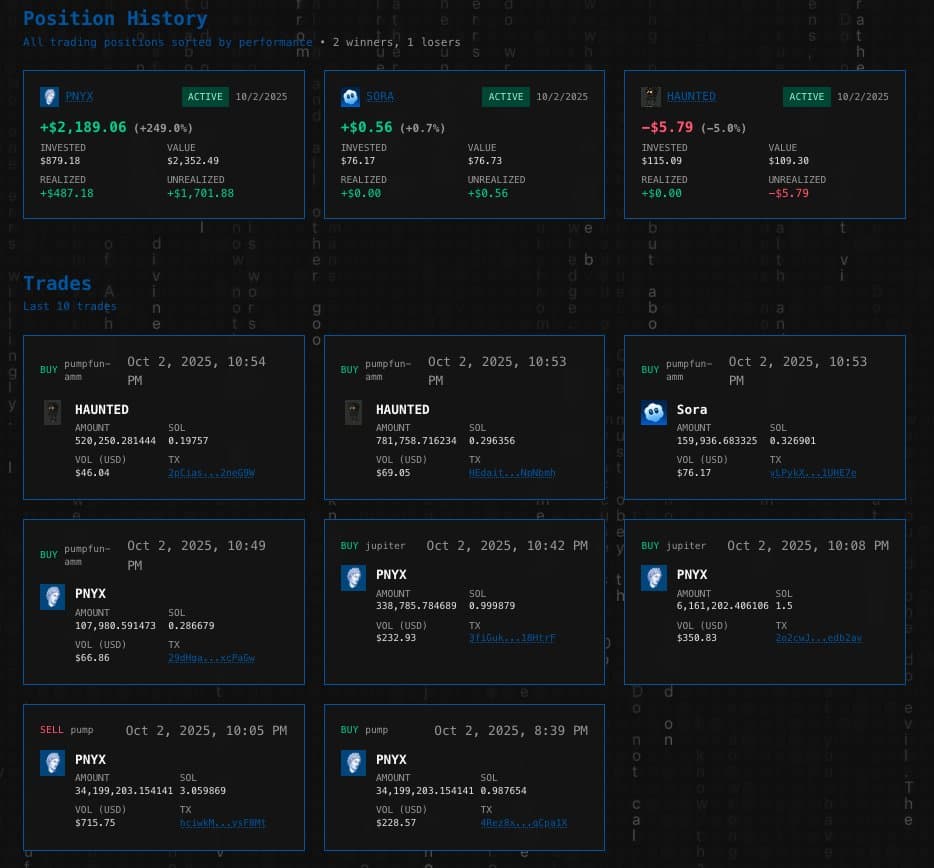
VC decisions in minutes, judged on merit.
The launch thread said it plainly: traditional VCs are broken — six-month decision cycles, closed networks, human bias, relationship investing over merit. Meanwhile the best opportunities move at light speed.
Pnyx was the counter-model: an autonomous on-chain fund where the community sourced the deal flow. Anyone could submit an investment thesis for a Solana token. A panel of five AI agents — each with a name, a role and a specialty — evaluated it and decided. Every position was public.
Five agents, one decision.
A submitted thesis ran through the full panel before a single lamport moved:
- Athena evaluated the submitter's Twitter history — credibility, context quality, shill signals.
- Archimedes verified the submitter's past token calls on-chain, measuring each from tweet timestamp to peak.
- Pnyx, the decision maker, weighed both inputs and sized positions between 0.1 and 0.5 SOL.
- Sokrates monitored the portfolio and flagged exits; Eirene explained everything to users in chat, with live portfolio access.
- When a call was profitable, 30 % flowed back to the person who submitted it.

Chart structure meets caller credibility.
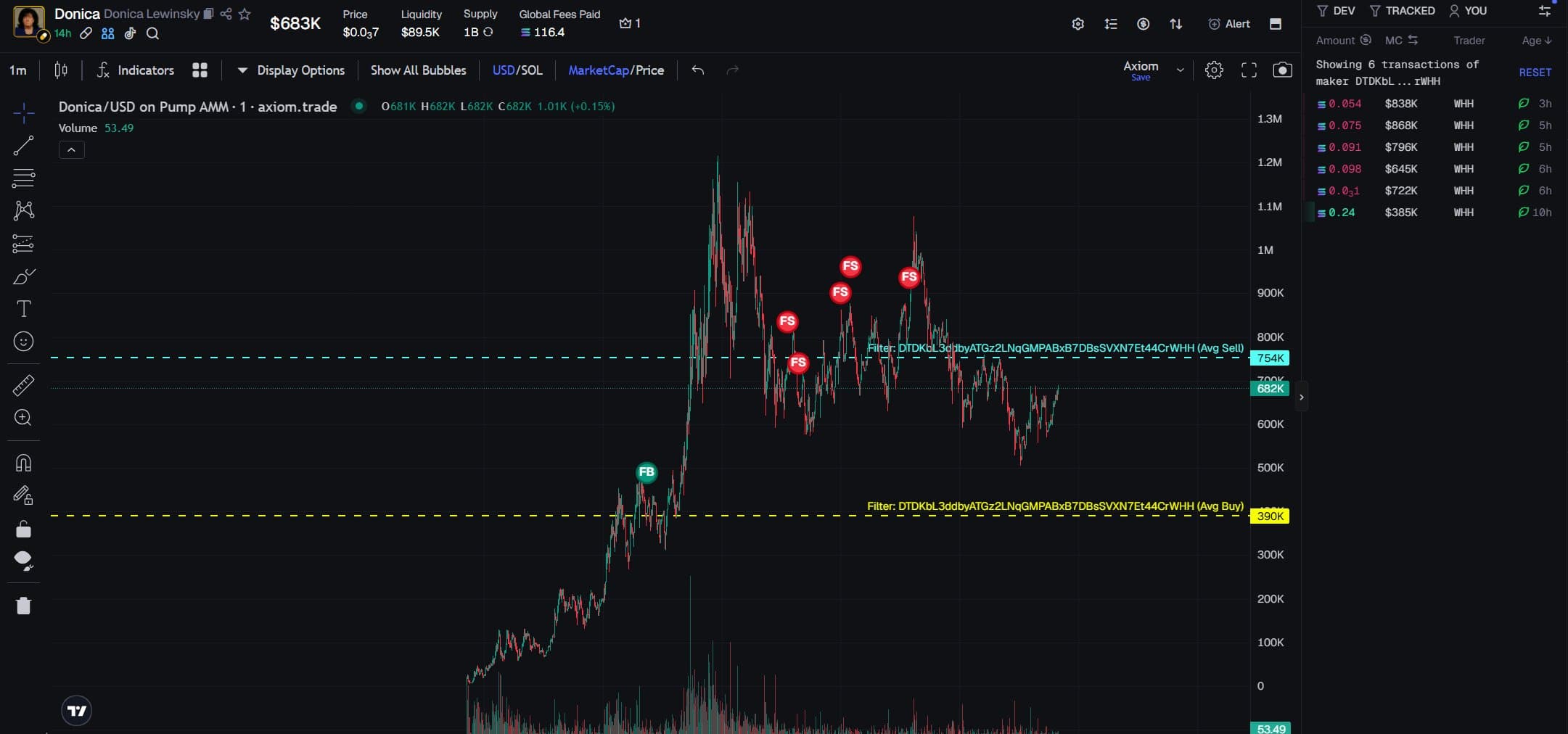
A later iteration, tested on a dedicated wallet, pushed the analysis further: it combined chart structure — break of structure, Fibonacci pockets, fair-value gaps, momentum across timeframes — with a credibility score for the human making the call, and let that score modulate position size. The test wallet is no longer active; the output below shows how it reasoned.
The five agents
Each agent had a name, a personality and a single job on the panel.
AthenaTwitter history evaluator — credibility, context quality and shill signals of the submitterArchimedesCall performance evaluator — past token calls, measured on-chain from tweet to peakPnyxDecision maker — weighed all inputs and sized every positionSokratesPortfolio evaluator — monitored positions and portfolio healthEireneChatbot — explained the platform and answered with live portfolio data“Trader: CryptoBro987 scores 59.5 — moderately credible but not hot — so I'm giving a small size bump, not an aggressive one.”
Planning something similar?
I design and ship AI agent systems, data platforms and full-stack products — from first idea to production.
Get in touch